
Sublimation Beginner Guide
What is Sublimation Printing and What Do You Need to Get Started?
Learn how dye-sublimation printing works, what equipment and supplies you need, and why sublimation has become such a popular way to create full-color personalized products.
Watch the Video
Learn About Sublimation Printing
Watch this introduction to the sublimation process and the tools used to create vibrant, durable custom products.
Getting Started
What Do You Need to Start Sublimation Printing?
Sublimation printing has emerged as a dynamic force in the print-on-demand custom product industry, captivating consumers with a wide variety of exciting, must-have items.
The perceived value of these products remains exceptionally high, helping create attractive opportunities for businesses entering this market. But what exactly is sublimation printing, and what does it take to enter the vibrant world of full-color sublimated products?

01
What Is the Science Behind Sublimation Printing?
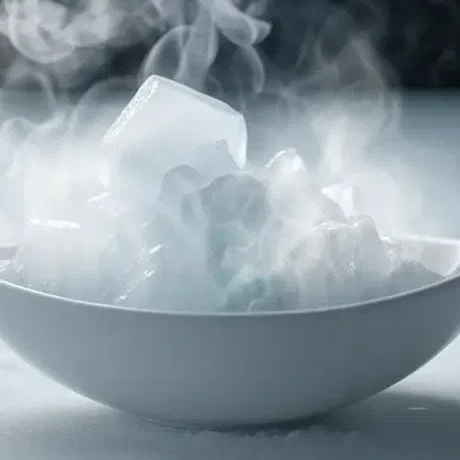
Sublimation involves a sophisticated process known as dye-sublimation transfer, where digital images are first printed using a sublimation printer and special inks onto sublimation transfer paper.
These images are then transferred onto a polyester or poly-coated item through a heat press. During this process, the ink turns into a gas and infuses into the substrate, creating stunning and durable results.
This method is celebrated for its ability to produce vibrant, full-color images on a wide range of products—from hard goods such as coffee mugs and aluminum photo panels to soft goods such as T-shirts and pillowcases.
The finished products are not only visually impressive, but also durable and less prone to fading because the ink becomes part of the substrate itself.
02
What Exactly Is a Sublimation Printer?
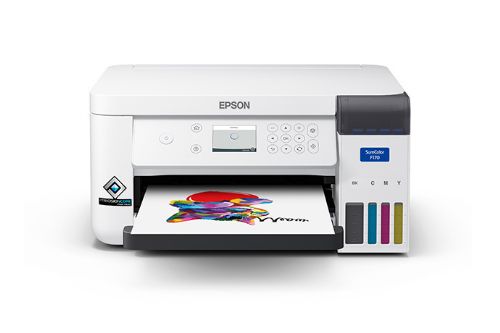
A sublimation printer is a specialized type of inkjet printer designed specifically for printing with sublimation inks rather than traditional pigment inks.
These printers convert standard digital designs into vibrant prints that are ready to be transferred onto compatible substrates. While some standard inkjet printers can be modified for sublimation, this guide focuses on models specifically engineered for the process.
Choosing the right printer depends heavily on your business needs. The Epson F170 is portable and well suited to businesses that work at events or operate in smaller spaces.
The Epson F570 provides a larger printing format and is well suited to higher-volume production environments.
03
What Is Sublimation Paper?
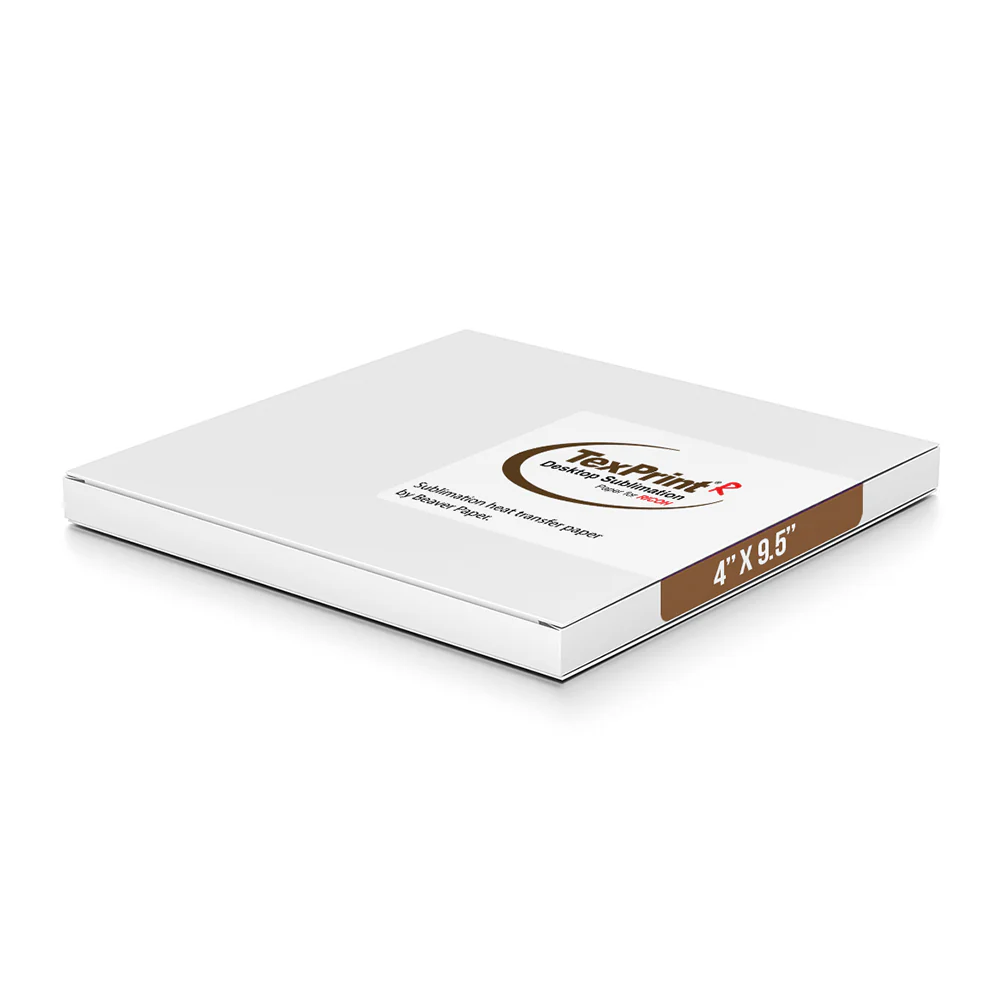
Sublimation paper acts as the essential carrier for sublimation ink, allowing the printed design to be transferred onto another item.
This specialized paper holds the ink until it is pressed onto a substrate using heat and pressure. The choice of paper can significantly influence the final result because different papers are engineered for different applications and substrate types.
Sublimation papers contain coatings that manage ink retention and release. Regular paper lacks these coatings and is therefore not suitable for achieving the quality expected from sublimation printing.
04
What Is Sublimation Ink?
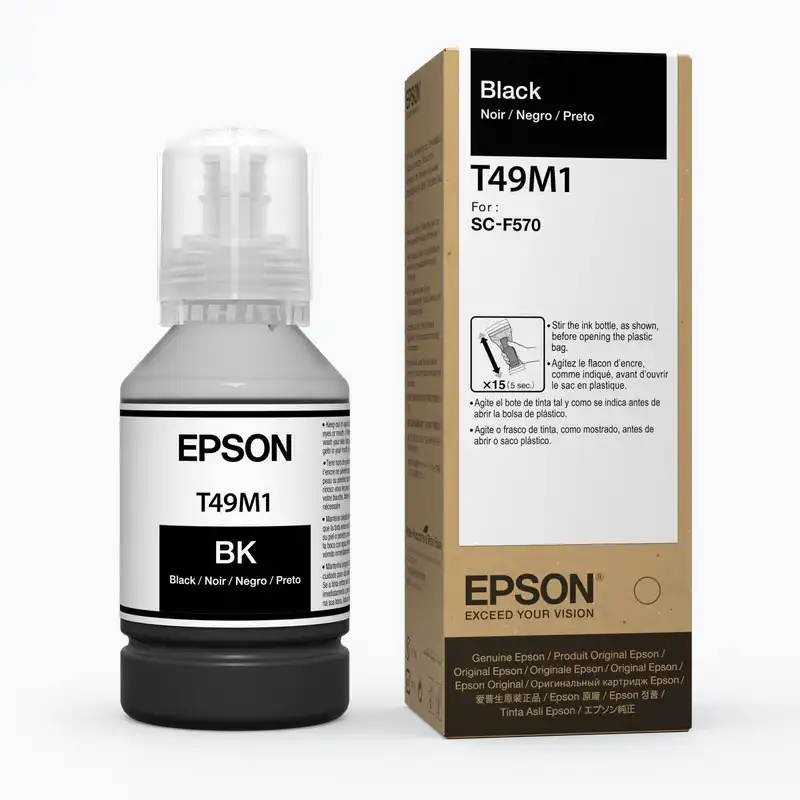
Sublimation ink is one of the essential components of the dye-sublimation process. It uses heat-reactive dyes formulated to transform during the transfer process.
When heated, the dyes become a gas and penetrate the polyester or polyester coating of the substrate. As the material cools, the image becomes locked into the surface.
Sublimation inks from Epson deliver rich color and dependable performance across a wide range of compatible substrates.
Although sublimation ink can technically place an image onto ordinary paper, it is not intended for everyday document printing. Its color behavior, cost, and specialized formulation make it best suited to sublimation transfers.
05
What Is a Sublimation Heat Press?
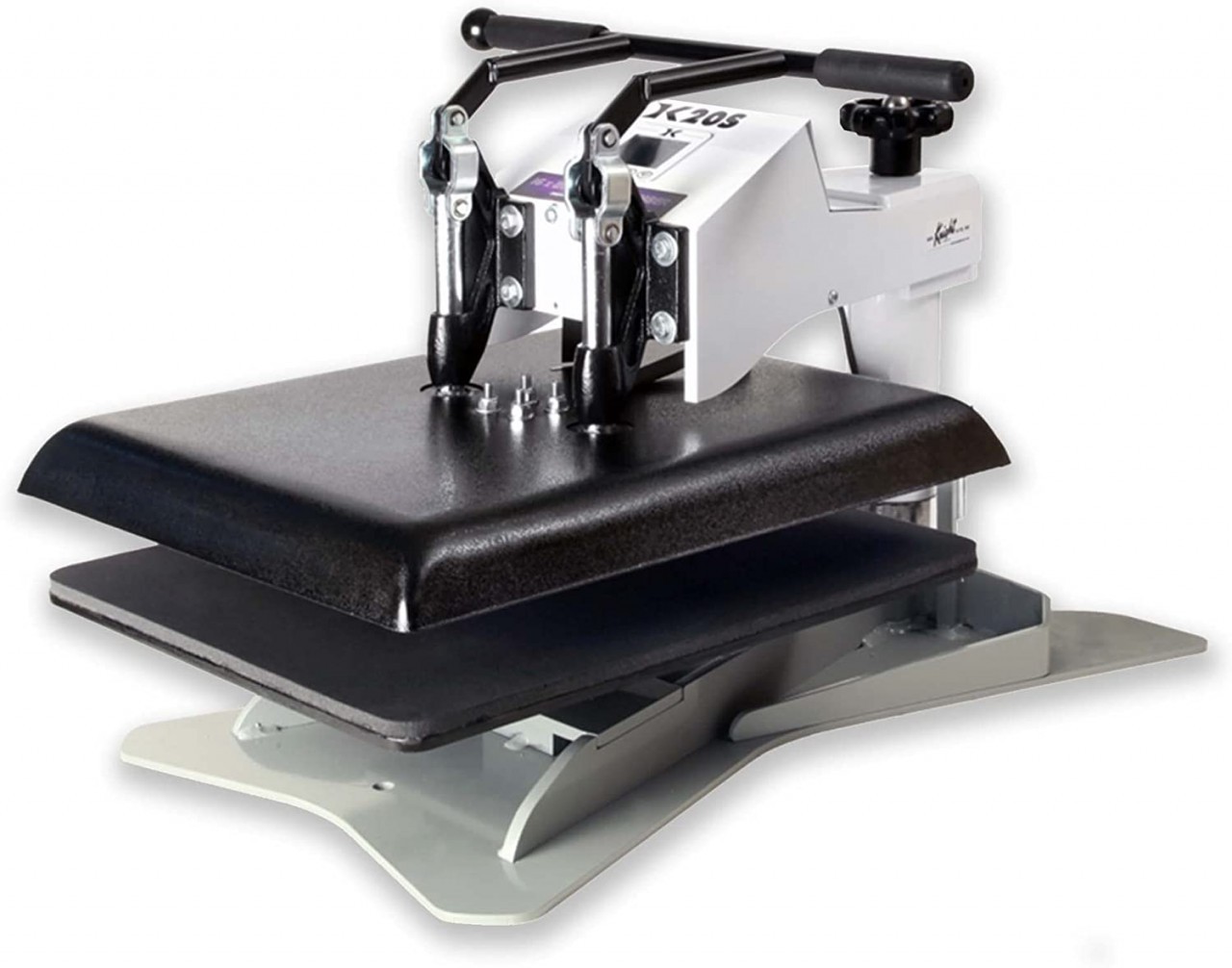
A sublimation heat press is the equipment used to apply the heat and pressure required to transfer a printed design onto a compatible substrate.
A swing-away press can be especially useful for sublimation because it provides full access to the pressing table, making it easier to position substrates and transfers accurately.
Features to Look for in a Heat Press
- A swing-away top that provides full access to the pressing area.
- Even pressure across the entire press.
- Consistent heat distribution without cold spots.
- Digital temperature and time controls.
- Durable construction for repeated production use.
One model that provides these features is the Geo Knight DK20S , a professional 16-by-20-inch swing-away heat transfer press known for its performance and durability.
When choosing a press, consider both the technical requirements of sublimation and the scale of your operation. A quality heat press can also support other decorating methods, including heat-transfer vinyl and rhinestone applications.
06
What Types of Products Are Suitable for Sublimation?
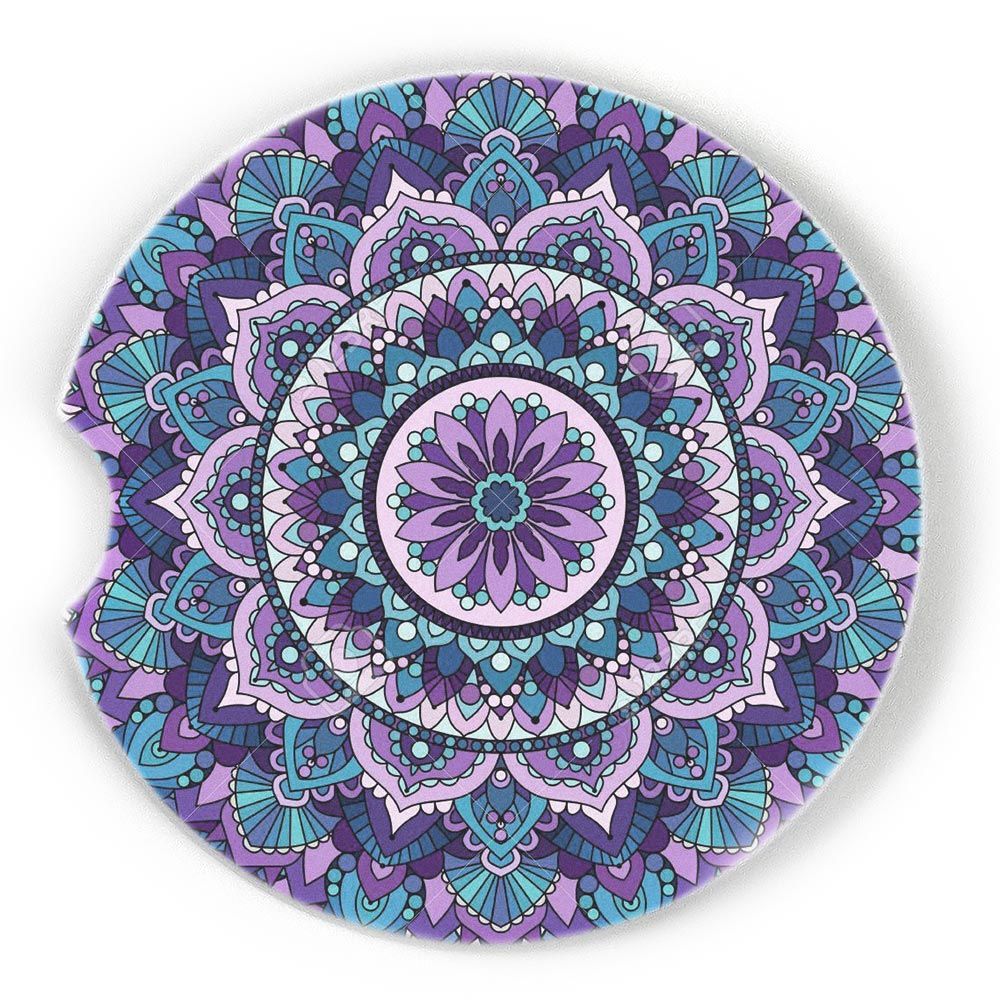
Sublimation can be used to create a broad selection of products, including full-color name badges, coffee mugs, metal art prints, home décor, apparel, personalized keepsakes, and promotional items.
Sublimation dye naturally bonds with polyester and with materials that have been treated with a compatible polyester-based coating. These coatings help capture the dye and produce sharp, high-resolution images.
Traditional sublimation works best on white or light-colored materials because standard sublimation systems do not print white ink. This makes dark materials difficult to decorate directly through conventional sublimation.
The market for blank sublimation products continues to expand, giving businesses more opportunities to create trendy, customized products for many different markets.

07
How Do I Price Sublimation Products for Retail Sales?
When creating high-quality, visually appealing products, your pricing must cover your costs while also producing a profitable return.
Choosing a blank product is only the first step. Once you have developed a reliable production process, calculate the true cost of producing each finished item.
These costs establish the baseline needed to cover expenses and determine a target selling price that supports your business goals.
Read the Retail Pricing Guide
08
Is Sublimation Printing Profitable?
Sublimation printing can be a profitable venture, particularly when you consider the relatively modest startup costs and the high perceived value of personalized products.
For example, a decorated 11-ounce ceramic coffee mug may have a relatively low material and production cost while selling for considerably more at retail. Personalized art, licensed designs, and specialized markets can increase that value further.
Name badges, home décor, drinkware, gifts, apparel, and promotional products can all offer strong markup opportunities when costs and production time are carefully managed.
Long-term profitability comes from more than the margin on one item. It also depends on developing efficient processes, building repeat business, selecting products with dependable demand, and continuing to improve your design and production skills.
Ready to Begin?
Start Building Your Sublimation Setup
A dependable printer, compatible ink, quality transfer paper, a reliable heat press, and properly coated blanks form the foundation of a sublimation business.