

Quick comparison
Use this table to quickly narrow down a finish, then read the detailed notes below.
| Finish | Overall look | Glare control | Substrate influence |
|---|---|---|---|
| Gloss White | High shine, bold depth | Lowest (most reflective) | Minimal—white base boosts color |
| Gloss Clear | High shine with metallic/metal showing | Lowest (most reflective) | High—silver aluminum shows through |
| Semi-Gloss White | Vibrant with moderated sheen | Medium (reduced glare) | Minimal—white base boosts color |
| Semi-Gloss Clear | Balanced shine with substrate character | Medium (reduced glare) | High—metal/wood tone can show |
| Matte White | Smooth, subtle, refined | High (low reflection) | Minimal—white base supports color |
| Matte Clear | Soft, low-glare with substrate showing | High (low reflection) | High—metal/wood tone and grain influence image |
| Textured | Tactile surface, contemporary feel | High (typically glare-reducing) | Varies by product/substrate |
Finish details
Gloss White
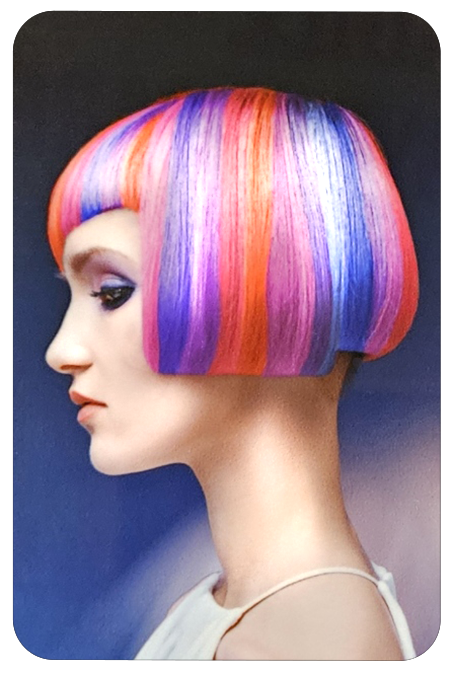
Gloss White is designed for maximum vibrancy and perceived depth. The white base helps colors appear bold and clean,
while the high-gloss surface adds punch to detail and contrast—especially for landscapes, nature, and high-energy imagery.
Gloss Clear
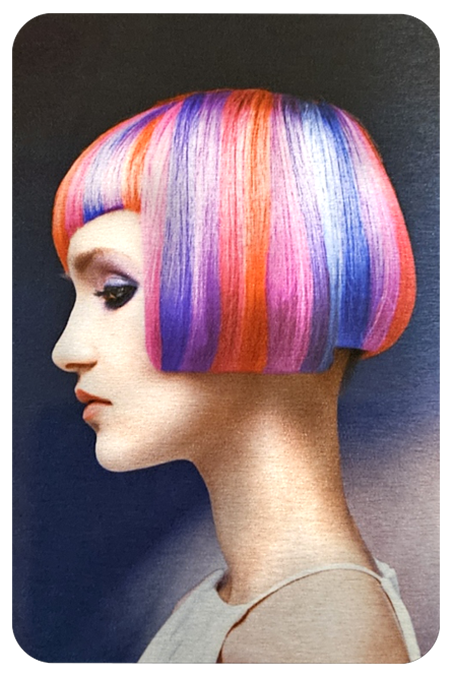
Gloss Clear delivers a high-gloss look without the white base layer. That means the natural silver character of aluminum
can show through, creating a distinctive finish that can be especially striking for monochrome work and images with strong,
intentional color.
Semi-Gloss White
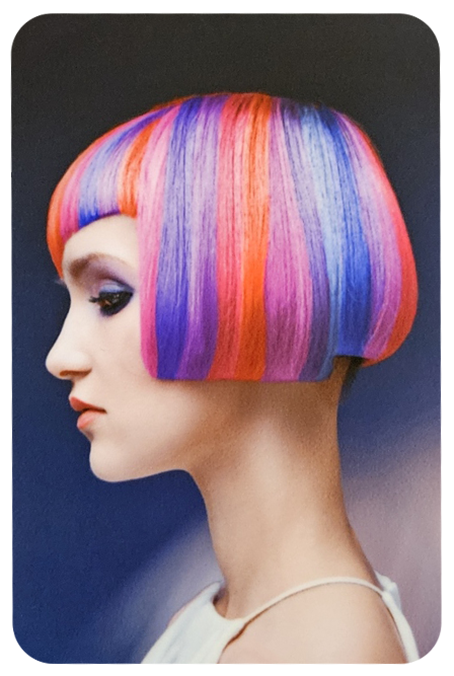
Semi-Gloss White sits between glossy and matte. It preserves strong color and crisp detail while reducing glare compared
to full gloss—making it a popular choice for portraits and fine art displayed in brighter rooms.
Semi-Gloss Clear
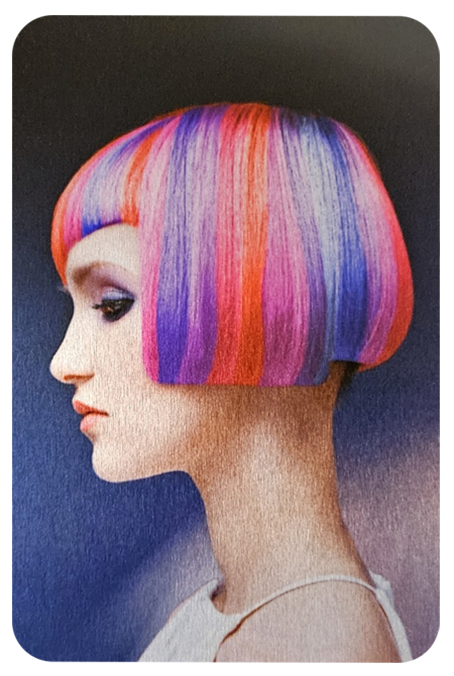
Semi-Gloss Clear offers the same “in-between” gloss level, but without a white base. The result is a balanced shine that
helps colors stand out while keeping reflections more controlled than full gloss—plus a visible influence from the underlying
material.
Matte White
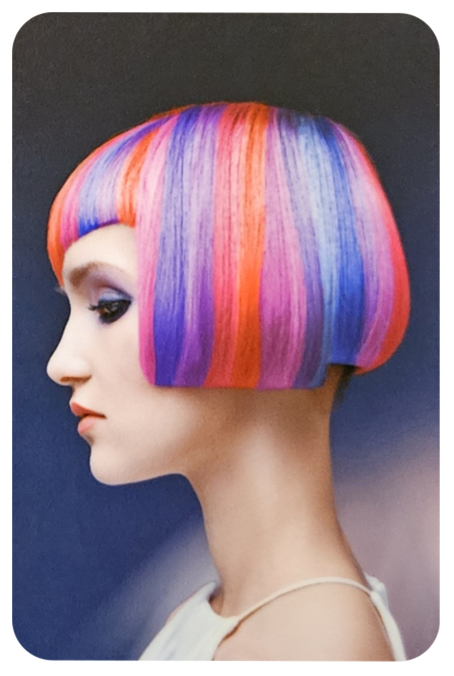
Matte White is built for glare-sensitive environments. It uses a matte surface to minimize reflections while maintaining
a clean, beautiful presentation on a white base—often preferred for portraits, wedding imagery, and display areas with direct light.
Matte Clear
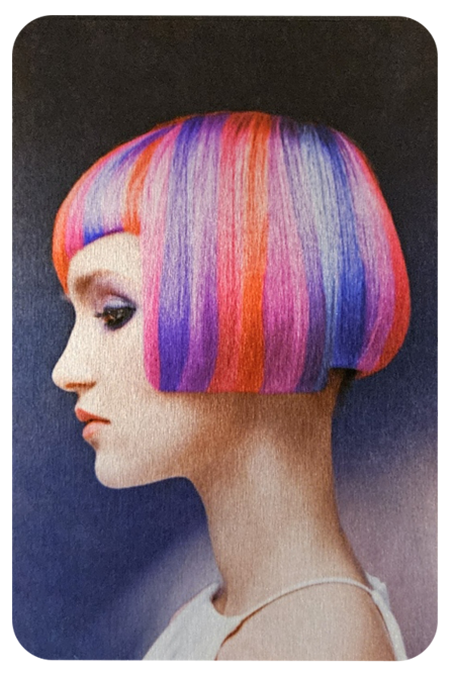
Matte Clear pairs a low-reflection surface with a “clear” approach—so you get glare reduction while still seeing more of the
base material’s character. This is often selected when you want a softer look but still want the aluminum (or wood grain where applicable)
to influence the final image.
Textured
Textured finishes introduce a tactile surface and a modern feel. They’re commonly chosen for spaces where you want a less reflective, more “forgiving” surface and a different look-and-feel than smooth gloss or matte.
Wood-specific finish notes
ChromaLuxe wood products may list finishes slightly differently depending on whether the print uses a white base coating (for maximum color) or a clear coating (to show natural grain).
Wood: Gloss White
A white-coated, glossy finish intended to deliver bold color and crisp detail on wood—ideal when you want the warmth of wood with the punch of a bright white print surface.
Wood: Matte Clear (Maple Only)
A clear-coated matte option intended to reduce reflections while allowing the natural maple grain to remain part of the final image. Choose this when you want a more organic, material-forward look.
FAQs
What’s the difference between white and clear finishes?
White finishes use a white base layer to maximize color saturation and a “true-to-color” look. Clear finishes skip the white base so the underlying substrate (silver aluminum or wood grain) can influence tone and texture.
Which finish should I choose for bright rooms or direct lighting?
If reflections are a concern, start with Matte White or Matte Clear. If you still want some shine but less glare than full gloss, consider Semi-Gloss options.
Do all products offer every finish?
Not always—finish availability can vary by product type and substrate (metal vs. wood). If you need help confirming what’s available for a specific product you sell, add a short “Available finishes” section to each product page and link back to this guide.